Surfaces Designed for Decades of Exposure
Tile Roof Installation & Repair in Pollock Pines for homes requiring durable roofing systems or addressing individual tile failures
Tile roofing withstands decades of weather exposure in Pollock Pines, Camino, Placerville, Cameron Park, El Dorado Hills, and Folsom without the gradual surface deterioration that requires shingle replacement every 15 to 20 years. True Roofing installs concrete and clay tile systems using proper underlayment layers and fastening methods that accommodate tile weight while allowing individual units to shift slightly during freeze-thaw cycles. Repair services address cracked tiles, pieces that have slipped out of position, and underlayment failures where wind-driven moisture penetrates the roof deck despite intact tiles above.
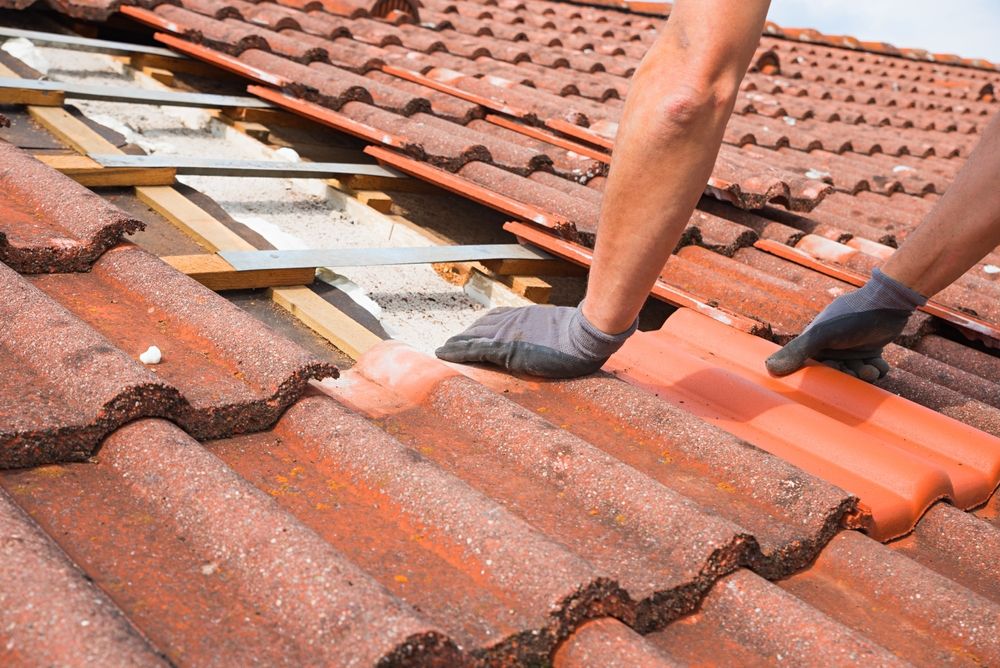
Tile roof installation involves verifying that existing roof framing can support the added weight, typically 8 to 12 pounds per square foot depending on tile thickness and profile. Workers lay high-temperature underlayment with overlaps at all seams, then attach tiles using fasteners driven through pre-molded holes or clips that hook the tile's top edge. Each tile overlaps the unit below to create a drainage plane that sheds water without relying on sealants, which degrade faster than the tile material itself.
Request a free estimate to evaluate tile roofing options or repair damage affecting your current tile installation.
What Proper Tile Installation Demands
Tile roofing requires a secondary water barrier beneath the tiles, since wind occasionally lifts individual pieces or drives moisture through the gaps designed into the system. This underlayment must tolerate high temperatures that build beneath tiles during summer, which rules out standard felt paper that deteriorates when heat and trapped moisture combine. Fasteners attach each tile securely enough to prevent wind displacement but not so rigidly that thermal expansion cracks the tile at the fastener hole during temperature swings common in foothill locations.
Once installation is complete, your roof maintains consistent color and texture across decades rather than showing the uneven fading and surface erosion typical of asphalt shingles. Individual tiles that crack due to impact or freeze damage can be replaced without disturbing surrounding areas, which limits repair costs and avoids the patched appearance common when shingle sections are replaced years after the original installation. The roof's weight and interlocking design resist wind uplift more effectively than lighter materials secured with adhesive strips.
Tile repairs identify whether damage has compromised only the visible tile or has also affected the underlayment below. Technicians remove broken pieces, inspect the exposed underlayment for tears or moisture intrusion, and install replacement tiles that match the existing profile and color as closely as aged tile inventory allows. Experienced workmanship ensures that repaired sections integrate with the surrounding roof without creating irregular gaps where wind can lift adjacent tiles or water can bypass the drainage plane during heavy rain.
What Homeowners Ask Most Often
Tile roofing questions typically focus on material longevity, weight considerations, and repair options when individual tiles fail.
How long do tile roofs last compared to other roofing materials?
Concrete tiles provide 40 to 50 years of service, while clay tiles often exceed 60 years if the underlayment is replaced as it reaches the end of its 30-year lifespan, since the tiles themselves outlast other roof components.
What causes individual tiles to crack or slip out of position?
Impact from falling branches, foot traffic during maintenance, or freeze-thaw expansion in saturated tiles creates cracks, while wind uplift or fastener corrosion allows tiles to slide downward out of their interlocked position.
Can existing roof framing support the weight of tile roofing?
Homes built with 2x4 roof trusses on 24-inch spacing typically require reinforcement before tile installation, while structures framed with 2x6 or larger members on 16-inch centers often support tile loads without modification.
Why do tile roofs in Pollock Pines and surrounding areas resist weather damage better than composition shingles?
Tile's density and non-porous surface prevent moisture absorption that leads to freeze-thaw damage, and the material does not rely on petroleum-based binders that degrade under ultraviolet exposure at higher elevations.
What underlayment works beneath tile roofing in climates with temperature extremes?
Synthetic underlayment rated for high-temperature exposure resists degradation from heat buildup beneath tiles during summer while maintaining flexibility during winter cold that makes standard felt paper brittle and prone to tearing.
True Roofing delivers tile roof installation and repair using methods that account for material weight, weather resistance requirements, and long-term performance across all approved service locations. Schedule a property evaluation to discuss tile roofing solutions appropriate for your home's structure and design preferences.
