Stopping Leaks Before Interior Damage Spreads
Roof Repairs in Pollock Pines for damaged shingles, failed flashing, punctures from fallen branches, and storm-related failures that compromise water barriers
Ceiling stains appear days after storms when water finds entry points through compromised shingles or deteriorated flashing, tracking along rafters before dripping onto insulation and drywall. Addressing these failures quickly prevents secondary damage including mold growth, insulation saturation, and wood rot that spreads beyond the initial leak location. True Roofing repairs residential roofing systems across Camino, Pollock Pines, Placerville, Cameron Park, El Dorado Hills, and Folsom, targeting specific failure points rather than replacing entire roof sections when localized repairs restore weather protection effectively.
Thorough inspections identify underlying issues beyond visible damage because external holes often indicate broader problems including lifted shingles around the breach, separated underlayment, or flashing that pulled away during wind events. Dependable roofing materials matched to your existing system ensure repairs blend functionally even when color fading makes perfect aesthetic matching impossible on older roofs.
Schedule a free estimate to evaluate current damage and determine whether targeted repairs or broader replacement makes sense for your roof's overall condition.
What Proper Repairs Address
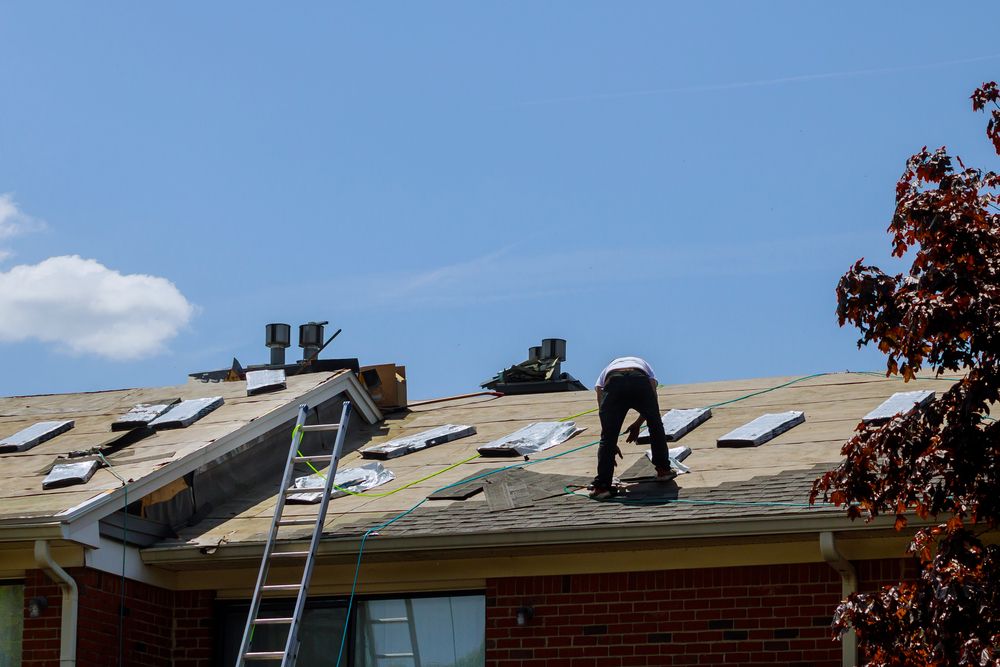
Repair work begins with identifying how water enters and where it travels after breaching the outer barrier, because leak sources rarely sit directly above interior stains. Damaged shingles get removed in sections large enough to access underlayment, flashing receives new sealant or complete replacement depending on corrosion level, and valleys get reconstructed when debris accumulation causes standing water that backs under shingle edges.
After repairs finish, you notice that ceiling stains stop spreading during subsequent rain events, attic spaces remain dry when inspected after storms, and interior humidity levels stabilize without the moisture infiltration that previously occurred. Repaired sections withstand weather exposure without lifting or separating when winds increase, maintaining protection until broader replacement becomes necessary years later as surrounding materials age.
Weather-related issues including tree damage and ice dam failures happen frequently in foothill locations where snow accumulation and branch fall create punctures that require immediate attention. Responsive local service means repairs happen quickly enough to prevent interior damage that develops when temporary tarps fail or delays allow continued water entry through compromised sections.
Answers to Frequent Service Questions
Homeowners dealing with sudden leaks or visible roof damage often need guidance on timing, repair scope, and when partial fixes suffice versus requiring larger interventions.
What qualifies as repairable versus requiring replacement?
Localized damage affecting fewer than three or four shingles, isolated flashing failures, or punctures from branches typically qualify for repair when surrounding materials remain functional. Widespread granule loss, multiple leak points, or systematic failures across large roof sections indicate replacement provides better long-term value than ongoing patchwork.
How quickly should I address a roof leak?
Immediate temporary measures like tarps prevent continued water entry, but permanent repairs should happen within days because even small leaks saturate insulation and promote mold growth that spreads beyond the drip point. Delays allow structural wood to absorb moisture, creating rot that requires more extensive reconstruction.
Why do leaks appear far from the actual roof damage?
Water enters through compromised shingles or flashing, then travels along rafters or underlayment following the roof slope until finding a gap where it drips onto insulation below. Infrared inspection or tracer methods help locate actual entry points when interior stains mislead about source location.
What repair materials work best in Pollock Pines conditions?
Shingles rated for freeze-thaw cycles and high-temperature flexibility handle elevation-related temperature swings better than basic three-tab products, while ice-and-water shield underlayment around repaired valleys prevents future ice dam damage common during heavy snow years.
How do repairs affect existing roof warranties?
Most manufacturer warranties remain valid after repairs using compatible materials and proper installation methods, though coverage excludes damage from deferred maintenance or improper repairs attempted by unqualified installers. Documentation of professional repair work preserves warranty status for the remaining roof system.
True Roofing provides honest evaluations about whether repairs extend your roof's useful life or whether replacement better serves your long-term needs. Request an inspection to receive clear recommendations based on your roof's specific damage patterns and overall remaining condition.
